Communications, Media & the Performing Arts Programme
EYFS – Year 13

Course Overview
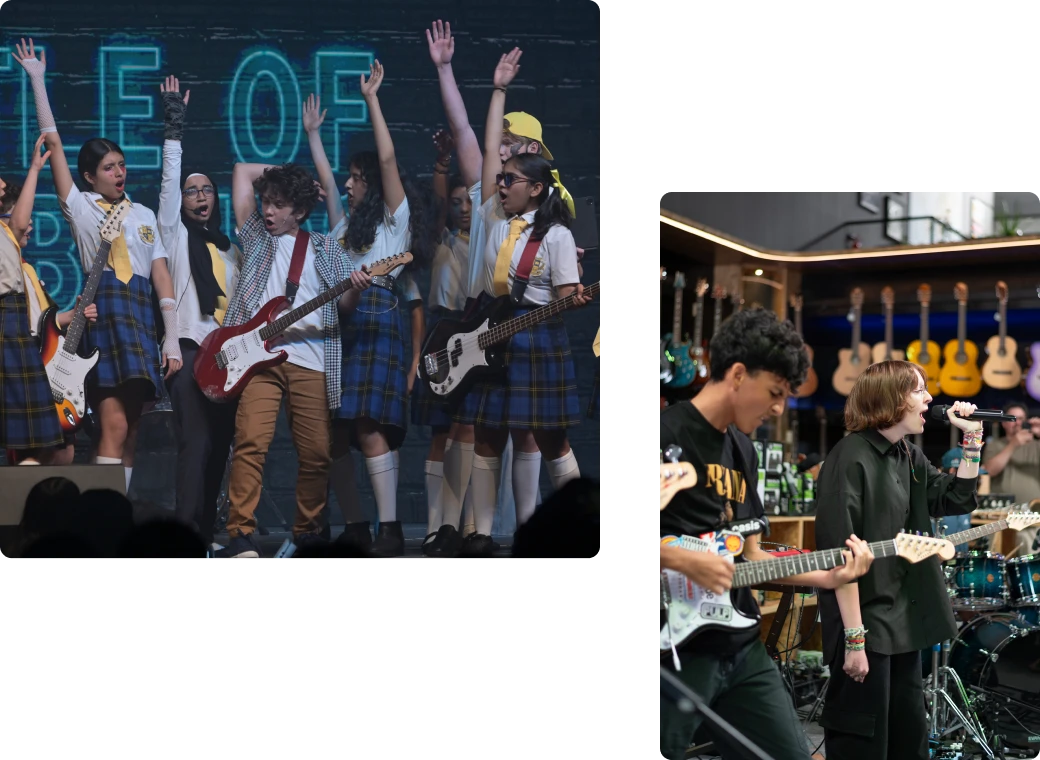
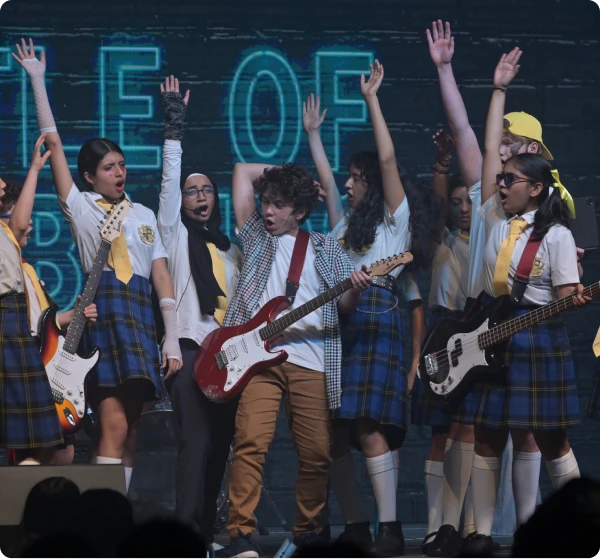
This dynamic programme unites the expressive power of Performing Arts, the influence of Media, and the persuasive force of Communication into a single creative pathway. Across all years, students explore how voice, movement, storytelling, journalism, and digital tools shape the world around them — and how they can develop the courage to be heard within it. Through drama, film, podcasting, public speaking, and leadership communication, students are empowered to inform, inspire, and ignite change.
Learning Journey by Phase
Expressive Foundations
- Role-Play & Storytelling Corners: Imaginative play and character-building in daily activities
- Speaking & Listening Routines: Circle time discussions, ‘Show and Tell’, and expressive reading
- Movement & Music: Dance, rhythm work, and singing with storytelling themes
- Mini-Stages: Early drama spaces for puppetry, miming and retelling classic tales
- Early Communication Confidence: Sentence stems, storytelling prompts and voice projection games
Emerging Voice & Expression
- Primary Drama Programme: Role-play, improvisation, stage direction and collaborative scene work
- Junior Journalism Club: Student-led writing on school events, reviews and creative opinions
- Performance Poetry: Slam-style recitations and expressive language techniques
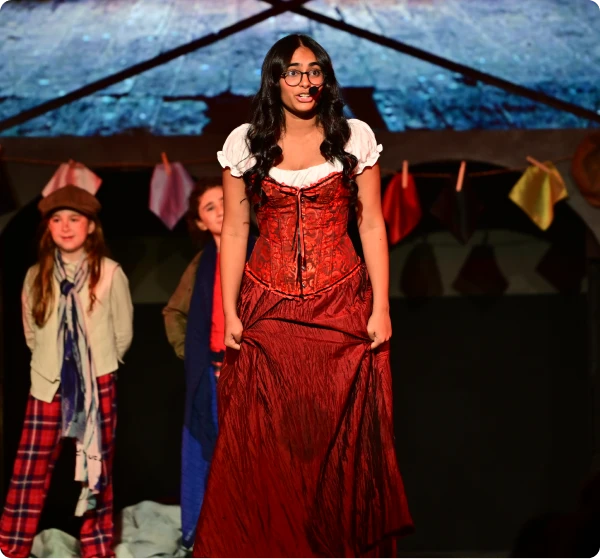
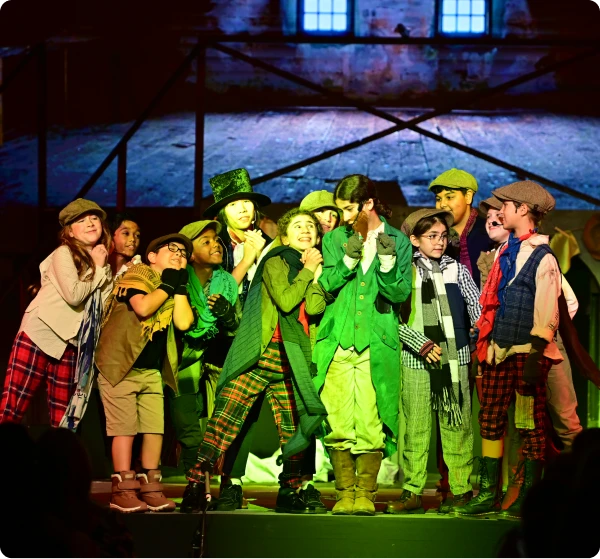
- Theatrical Showcase Events: Annual class or year group performances for school and families
- Communication Challenges: Debates, storytelling slams, and persuasive writing contests
- Student-Led Podcasts (Upper Primary): Short recordings introducing books, themes, or interviews
Creative Confidence
- Drama & Theatre: Movement, expression, ensemble work, and character development
- Introduction to Journalism: Club-style student newspaper writing, headline creation, and interviewing
- Public Speaking Foundation: Simple speech writing, stage presence, and peer critique
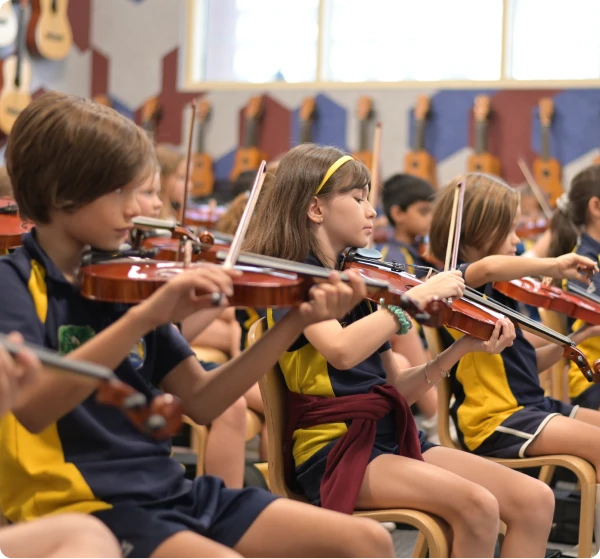
- Music & Dance: Optional modules support stage confidence and vocal development
Production, Presence & Publication
- IGCSE: Structured coursework in scriptwriting, filming, editing, and digital presentation
- Regent Student Newsroom: Writing and producing newspaper articles, blogs, and school-wide broadcast scripts
- Formal Debating & TED-Style Talks: Structuring arguments, rhetoric, and emotional appeal
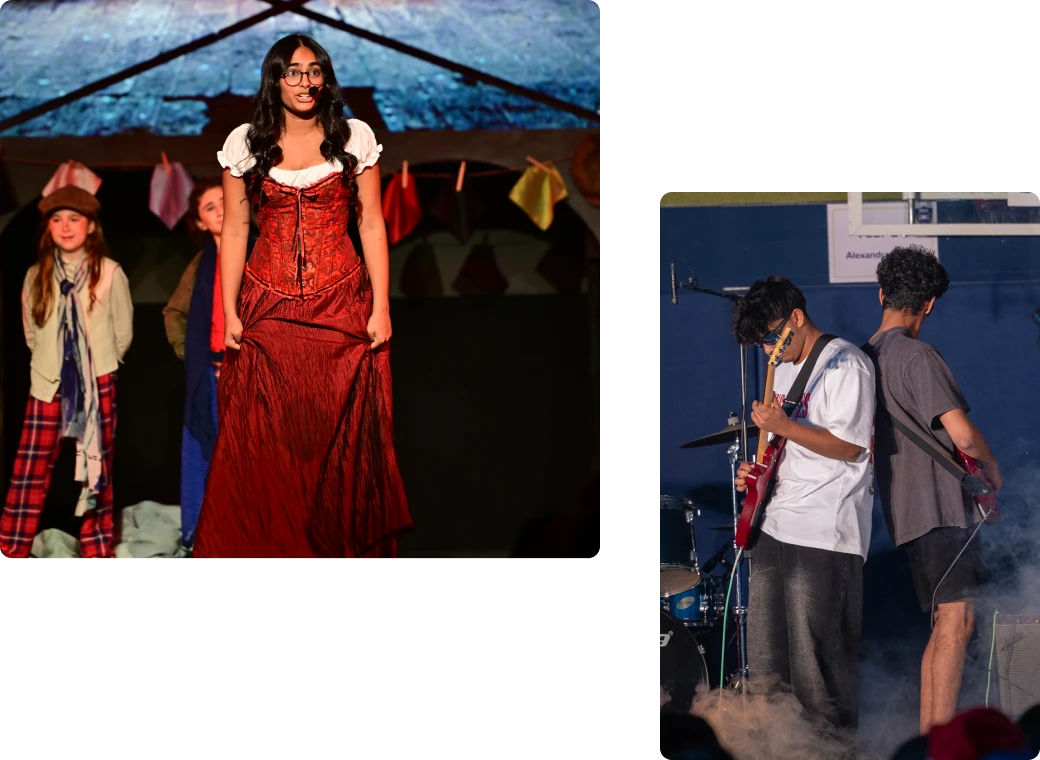
- Performances: School theatre productions and musical showcases
- Podcasting & Radio: Writing and recording short episodes on social, cultural, or political themes
Professional Communication & Industry Readiness
- A-Level: Advanced analysis and creation of media artefacts, short films, and video essays.
- Extended Podcast & Publication Projects: Running school-wide podcasting series and in-depth articles.
- Leadership Communication: Presentation mastery, persuasive writing, and social advocacy.
- Industry Collaboration: Mentorship from journalists, filmmakers, media entrepreneurs, and university speakers.
Signature Techniques & Tools
Focus Area | Feature |
Stage & Screen | Annual theatre productions, student films, monologues, and skits |
Voice & Persuasion | TED Talks, MUN, debate training, and public forums |
Written Communication | Essays, blogs, opinion pieces, newsletters, editorial practice |
Audio & Broadcast | Podcasting studios, interview panels, sound editing |
Visual Storytelling | Scriptwriting, storyboard development, cinematography workshops |
Cultural Relevance | Student-led pieces on identity, belonging, and global themes |
Signature Experiences & Opportunities

The Buzz Reporters – The in-school editorial team managing blogs, news, and press releases
Fortes Film Lab – Equipment and coaching for producing student-directed short films
Annual Speech Festival – Inter-house public speaking event judged by professional speakers
University Pathway Talks – Seminars from communication, media and performing arts departments
Creative Collaboration Weeks – Cross-curricular projects blending drama, media, and English
Local Internships – In media houses, radio stations, production studios and newsrooms
Junior Voices Festival – Primary showcase for original speeches, poems, and short plays
Early Years Spotlight Week – A week where EYFS students rehearse and perform a themed showcase
Assessment Models

Coursework
Video projects, written publications, podcasts and creative portfolios

Performance Review
Monologue and group presentation assessments

Feedback Cycles
Peer reviews, professional critique panels, and self-evaluation

Real-World Metrics
Podcast streams, article views, and theatre audience engagement
Post-School Pathways
Graduates of this programme are well-prepared for:
- University courses in Media, Communications, Journalism, Film, Theatre or Public Relations
- Creative portfolios required for specialist art, theatre or media academies
- Careers in content creation, stage management, media strategy, corporate communication
- Entrepreneurial roles in digital storytelling, podcasting, and brand consultancy
Next Steps: Student Development & Participation
- Begin with an audition, article, or pitch idea to join the programme
- Select specific pathways based on personal interests — theatre, media or comms
- Compile a working portfolio of writing, performances or recordings from Year 4 onward
- Take part in at least one major production, podcast or publication annually
- Attend two professional speaker events or masterclasses per year
- For EYFS and Primary: Celebrate student voice through performance events, peer showcases, and termly storytelling days
Where Learning Meets Imagination
Book a tour and discover how RIS goes beyond traditional learning to spark imagination, independence, and joy in every child.
 Book a tour