The Role of Play-Based Learning and Creativity in Modern Primary Education
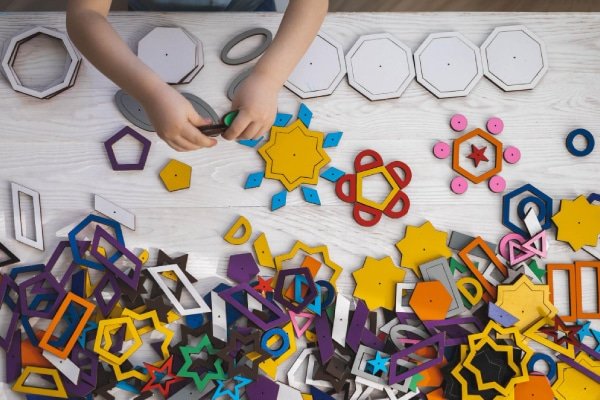
Children are natural explorers. They learn by touching, imagining, questioning, building, and experimenting. This is why play-based learning has become one of the most meaningful approaches in modern primary education — it transforms curiosity into confidence and learning into joyful discovery.
What Is Play-Based Learning?
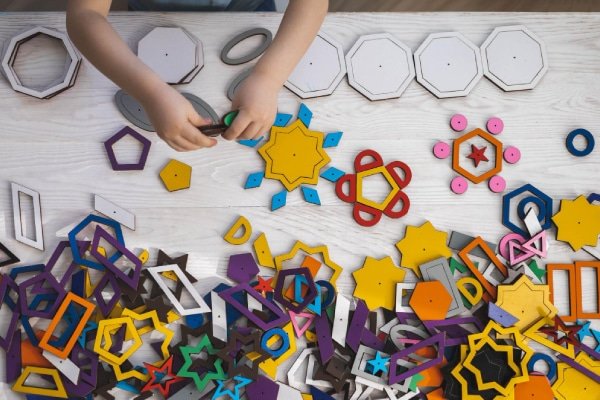
Play-based learning isn’t simply about toys or free time. It is a structured, research-backed approach where teachers design purposeful activities that help children understand concepts through hands-on experiences.
When children play, they are actually developing core skills such as:
- Vocabulary and communication
- Early reading and writing
- Problem-solving
- Numeracy
- Collaboration and teamwork
- Emotional expression and self-regulation
- Through play, the classroom becomes a safe, inspiring space where learning feels natural and exciting.
Why Creativity Matters in the Early Years
Creativity is not just about arts and crafts. It’s about thinking differently, making connections, and solving problems. In primary school, creativity becomes the foundation for lifelong learning.
Creative activities help children:
- Build imagination
- Express thoughts and feelings
- Experiment and take risks
- Develop resilience
- Strengthen their ability to think independently
- A child who is encouraged to create is a child who is empowered to learn.
Play Builds Academic Foundations
Many parents wonder if play-based learning slows academic progress. The truth is — it accelerates it. Through play, complex ideas become simple and meaningful.
Children learn:
- Literacy: Through storytelling, role play, reading corners, and conversations
- Maths: Through sorting, building, measuring, comparing, and pattern games
- Science: Through experimenting, observing, and discovering cause-and-effect
- Social studies: Through pretend play, community role models, and collaborative tasks
These experiences help children absorb knowledge with joy, curiosity, and deeper understanding.
Supporting Emotional Growth Through Play
Emotional wellbeing is the foundation of confident learning. Play gives children the freedom to express emotions, resolve conflicts, practise empathy, and develop patience.
Through guided play, teachers help children understand themselves and others, building the emotional intelligence needed for the years ahead.
A Future-Ready Approach
As the world evolves, skills like creativity, adaptability, collaboration, and problem-solving have become essential. Play-based education nurtures these qualities from the very beginning.
When children feel curious, confident, and creative — they become learners for life.