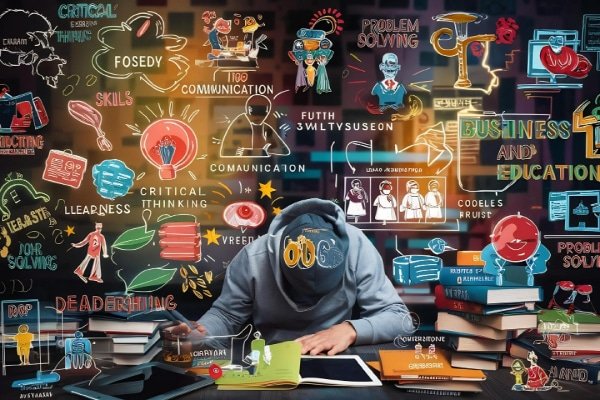
21st Century Skills Every Student Develops in Secondary Education
The world is changing faster than ever. Students today need more than academic knowledge — they need the skills to think, adapt, lead, and innovate. This is where the concept of 21st-century skills becomes essential, especially in secondary education.
What Are 21st-Century Skills?
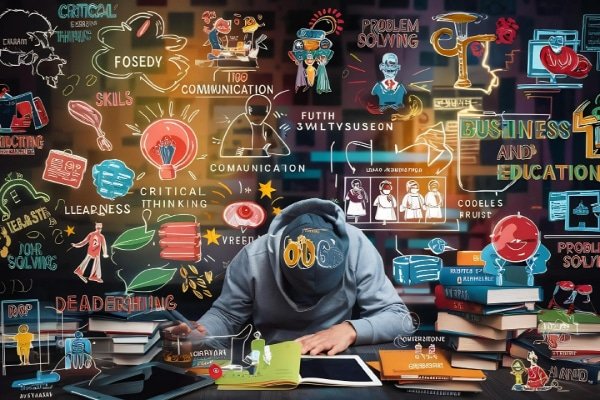
These are the skills students must develop to succeed in a world shaped by technology, globalisation, and constant change. They include:
- Critical thinking
- Creativity
- Communication
- Collaboration
- Digital literacy
- Leadership and initiative
- Adaptability
- Problem-solving
Secondary school is the perfect stage to strengthen these skills as students begin shaping their identity, ambitions, and future goals.
Why These Skills Matter
21st-century skills prepare students to:
- Analyse situations and make informed decisions
- Solve real-world problems
- Communicate confidently with diverse people
- Work effectively in teams
- Use technology safely and responsibly
- Lead projects with creativity and purpose
- Adapt to challenges with resilience
These skills give students the mindset and confidence to thrive in universities, careers, and life.
How Schools Build 21st-Century Skills
Modern classrooms use a mix of innovative approaches, including:
- Project-based learning
- Inquiry and research tasks
- Blended learning
- STEAM challenges
- Debate and public speaking
- Entrepreneurship programmes
- Leadership opportunities
- Digital tools and platforms
Each activity encourages students to explore, question, and think beyond textbooks.
The Role of Teachers
Teachers guide students to become independent thinkers. They encourage curiosity, facilitate discussions, present authentic challenges, and help students reflect on their learning.
This mentorship builds character, confidence, and strong academic foundations.
Preparing Students for the Future
The careers of tomorrow — many of which don’t even exist yet — will reward young people who can think critically, adapt quickly, and collaborate effectively.
Secondary education is where these skills are shaped, strengthened, and lived every day.