Skills That Stick: What Children Really Learn in Early Primary Grades
When you ask a Year 2 parent what their child is learning, the usual answer is: “Reading, writing, and maths.” True — but that’s only the visible part. Beneath the surface, something far more powerful is happening.

The Hidden Curriculum
In Years 1–3, children are building “skills that stick” for life:
- Resilience → pushing through when puzzles get tough.
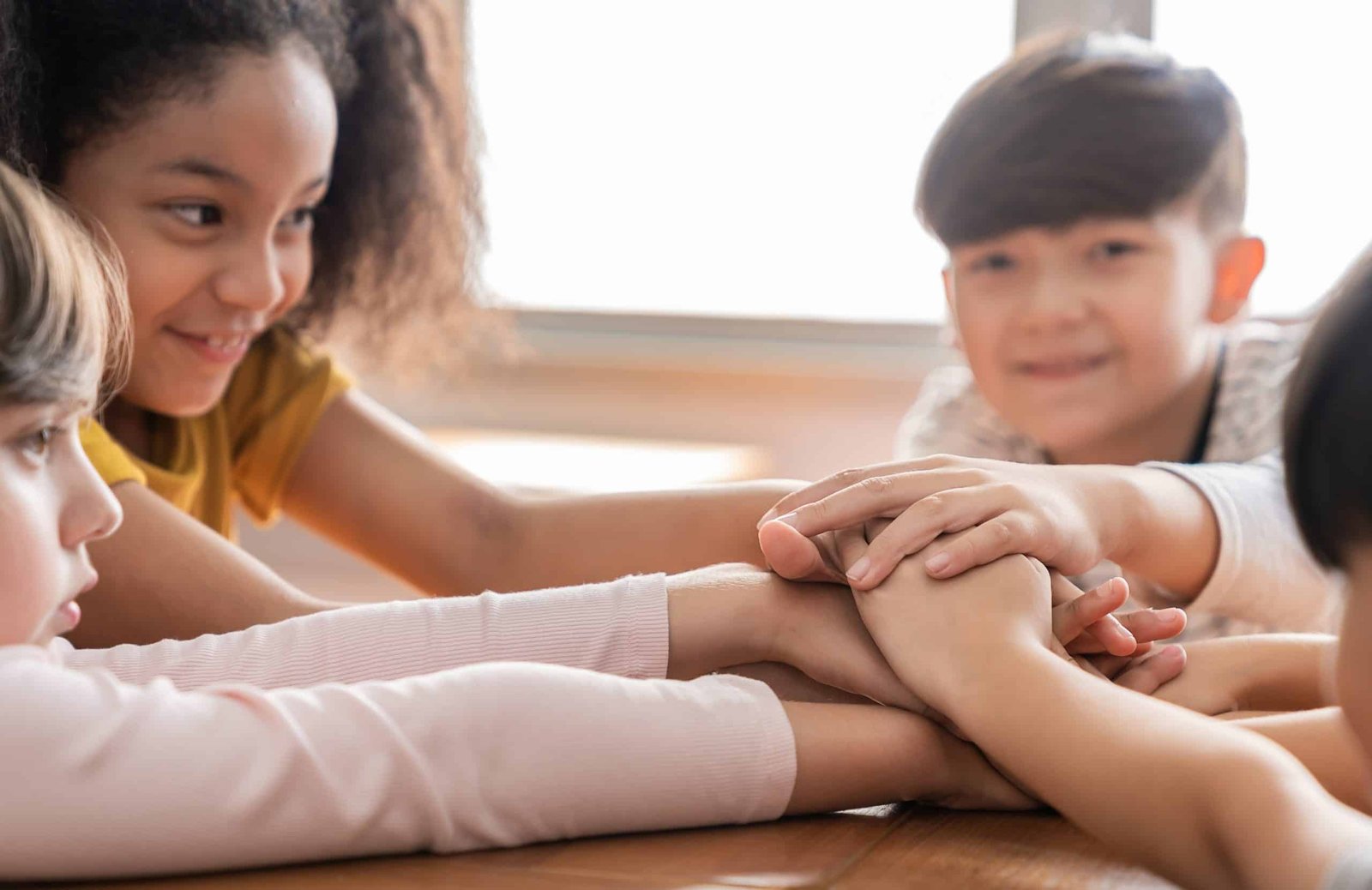
- Collaboration → learning to share, listen, and co-create.
- Creativity → turning a cardboard box into a spaceship.
- Empathy → noticing when a classmate feels left out.
These aren’t always graded, but they shape how children learn, play, and succeed later.
Why These Years Are Critical
Neuroscience tells us that early primary years are a “golden window” for brain development. Habits formed now — curiosity, problem-solving, kindness — become lifelong.
At Regent, teachers balance academics with play, discussion, and exploration so these invisible skills develop alongside literacy and numeracy.
How Parents Can Help at Home
- Let them struggle a little before stepping in.
- Praise effort (“I love how you kept trying”) rather than results.
- Play open-ended games — blocks, art, role-play.
- Ask reflective questions → “What was your favourite part of the day?”
These simple practices reinforce school learning at home.
Regent’s Ethos
The Regent 360° Immersion Promise ensures no child is left behind. Whether through STEAM projects, Performing Arts, or Forest School experiences, students are immersed in opportunities to practise resilience, teamwork, and creativity.
Takeaway: Early primary is not just about academic basics. It’s about skills that shape character. By valuing these invisible lessons, you give your child tools that stick for life.