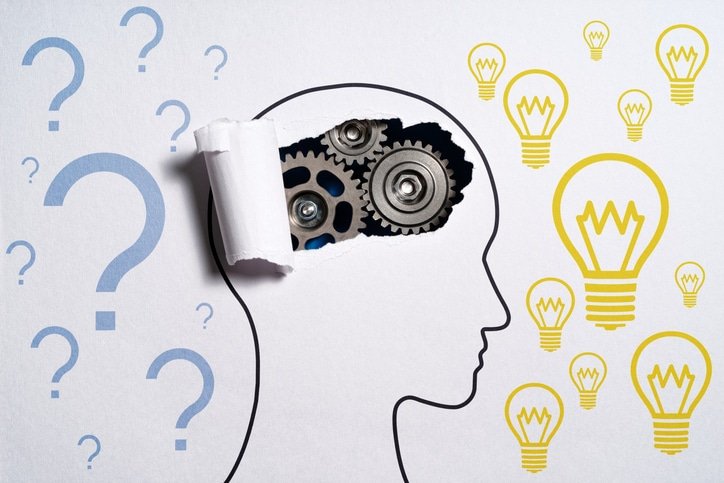
The Lost Art of Thinking: Why A-Level Students Need Critical Thinking Skills More Than Ever
Picture this: A-Level exams are looming, and students are frantically memorising formulas, historical dates, and Shakespearean soliloquies. Knowledge? Check. But what happens when they encounter an unfamiliar problem that isn’t neatly outlined in their textbooks? This is where critical thinking swoops in like an academic superhero, ready to save the day.
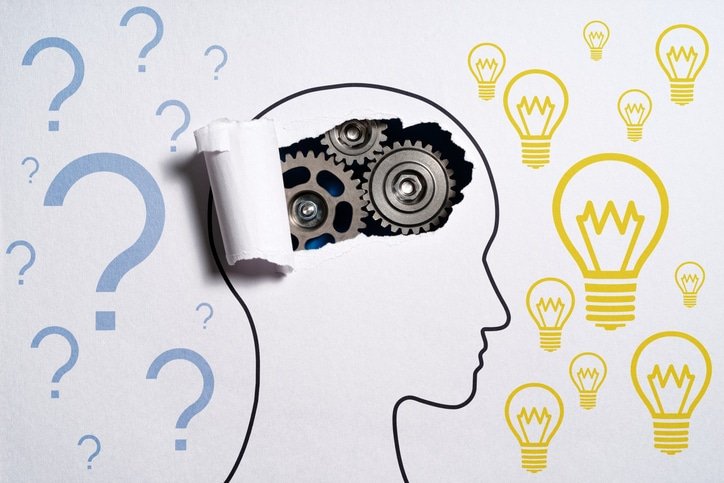
Critical thinking skills are often undervalued in an era where search engines provide answers faster than one can type. But here’s the catch—while Google can find facts, it can’t analyse arguments, weigh evidence, or detect nonsense when it parades around in the disguise of logic. The ability to think critically is what separates the masters of problem-solving from those who simply regurgitate information.
Why Memorization is Overrated (and Thinking is Underrated)
Memorisation, the age-old champion of education, has been ruling classrooms for centuries. But let’s be honest—it’s a bit of a one-trick pony. Sure, knowing the periodic table by heart might impress your chemistry teacher, but it won’t help much when you’re deciphering scientific misinformation on social media. The world doesn’t operate on multiple-choice questions. It demands analysis, reasoning, and the ability to distinguish between a well-crafted argument and complete hogwash.
Critical thinking isn’t about knowing all the answers—it’s about asking the right questions. It’s what enables students to:
- Dissect complex issues without being overwhelmed.
- Detect bias and logical fallacies (yes, even in heated family debates).
- Solve problems creatively rather than mechanically.
- Make informed decisions rather than blindly following the crowd.
Spotting the Red Flags of Misinformation
Today, misinformation is as common as cat videos. From conspiracy theories to deepfakes, the ability to critically assess information is no longer optional—it’s essential. A-Level students, poised to enter universities and workplaces, must learn how to separate truth from fiction, especially when some treat’ alternative facts’ as reality.
So, how do we teach students to be sceptical (without turning them into full-blown cynics)? Simple: by making critical thinking a daily habit. Encourage debate, challenge assumptions, and introduce them to classic logical fallacies (because knowing what a ‘straw man argument’ is makes for excellent intellectual combat at the dinner table).
Thinking is an Active Sport
Critical thinking is not a passive exercise—it’s mental weightlifting. Just as muscles strengthen with resistance, cognitive skills sharpen when faced with intellectual challenges. A-Level students should be given opportunities to:
- Debate ethical dilemmas (Is AI a boon or a curse?).
- Solve real-world problems (How do we tackle climate change?).
- Analyse literature beyond plot summaries (What was Shakespeare really trying to say?).
- Engage in Socratic questioning (a fancy term for making someone second-guess everything they believe).
At Regent International School (RIS), we recognise that the world is evolving faster than ever, and our students need more than just textbook knowledge. We equip them with the analytical skills needed to navigate life’s complexities with confidence. Our approach emphasises curiosity, reasoning, and open-mindedness—qualities that ensure students are not just exam-ready but future-ready.
Fortes Education, the pioneering force behind RIS, champions holistic learning. With a philosophy rooted in Positive Education, Fortes schools instil in students a mindset that blends intellectual agility with emotional resilience. The ability to think critically is just one of the many ways our students are prepared to become global citizens, capable of leading with insight and integrity.
In the end, the goal isn’t just to produce students who score high on exams. The goal is to cultivate thinkers, problem-solvers, and visionaries—because the world doesn’t need more people who can recite facts. It needs individuals who can challenge, innovate, and create.
And that, dear students, is something no search engine can do for you.